Baked Cheesecake Recipe
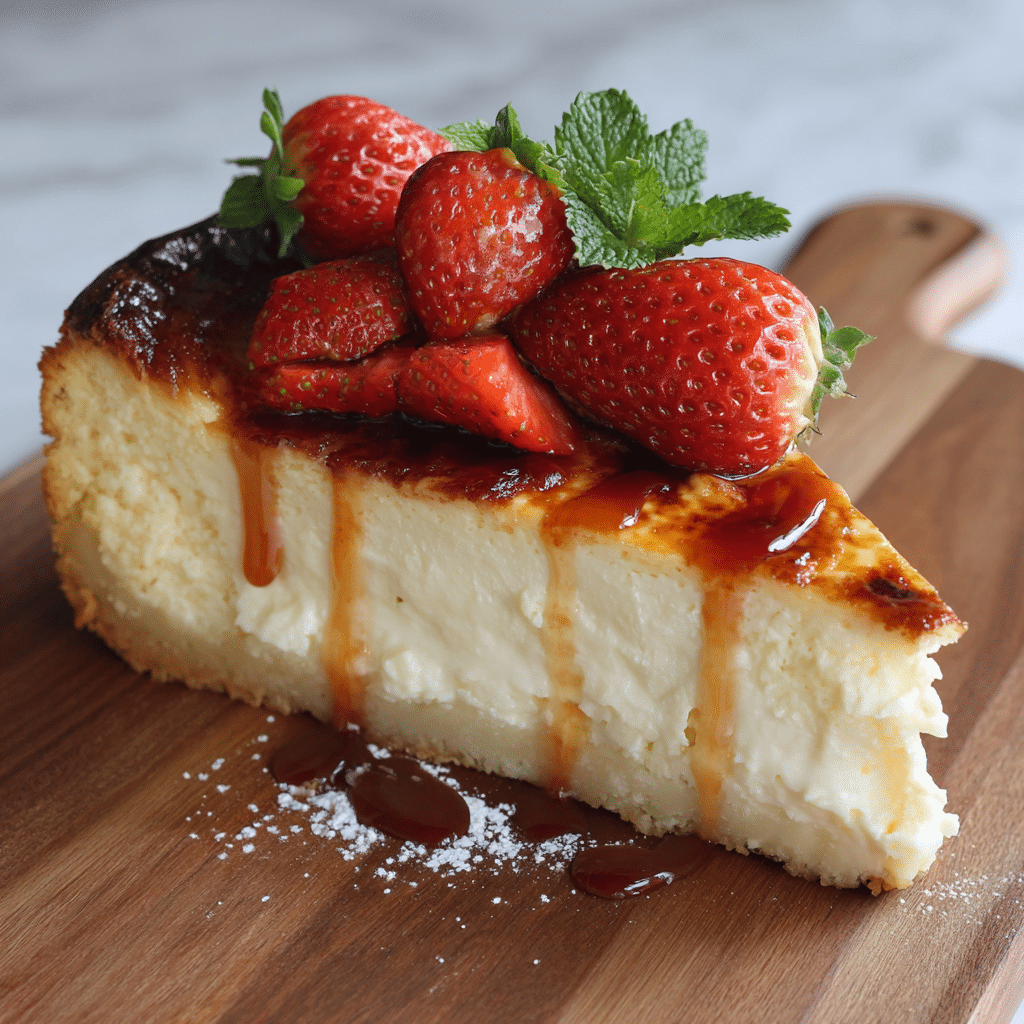
There is something truly magical about a classic Baked Cheesecake that brings warmth and comfort with every bite. This creamy cheesecake baked to perfection pairs a rich, velvety texture with a simple, buttery biscuit base, creating a dessert that feels both indulgent and effortlessly elegant. Whether you are celebrating a special occasion or simply indulging yourself on a cozy night in, this Baked Cheesecake will quickly become your new favorite treat to share with friends and family.
Ingredients You’ll Need
Ingredients You’ll Need
To create a Baked Cheesecake that’s as delicious as it is timeless, you’ll need just a few simple but essential ingredients. Each component plays an important role in building the perfect balance of flavor, texture, and visual appeal.
- Cream cheese: The star of the show, providing that smooth, rich creaminess essential to cheesecake.
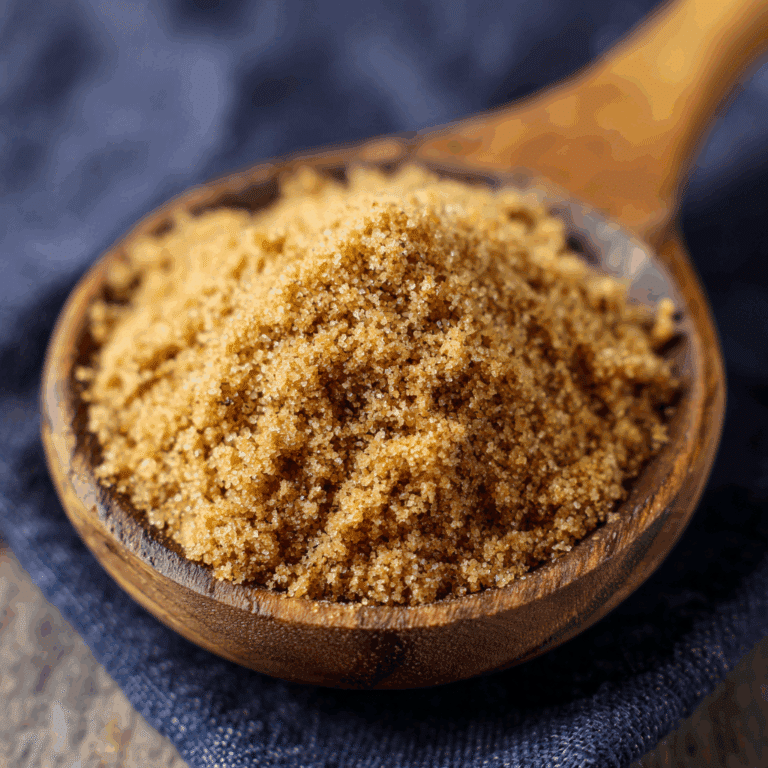
- Sugar: Adds the perfect sweetness to enhance the tang of the cheese without overpowering it.
- Eggs: These help bind the ingredients together and give the cheesecake its silky, dense texture.
- Biscuits: Crumbled and used for the crust, they bring a delightful crunch and buttery flavor base.
How to Make Baked Cheesecake
Step 1: Prepare the Biscuit Base
Start by finely crushing your biscuits until they resemble sandy crumbs. Mix these crumbs with a little melted butter to help them bind together. Press the mixture firmly into the bottom of your cake pan, creating an even layer that will form the delicious base to hold your creamy filling.
Step 2: Make the Cream Cheese Filling
In a large bowl, beat the cream cheese until it’s smooth and fluffy. Gradually add in the sugar, mixing well to combine. Add the eggs one at a time, ensuring each is fully incorporated before adding the next. The result is a luscious, smooth batter that will bake into a wonderfully creamy cheesecake.
Step 3: Bake to Perfection
Pour the cream cheese filling over the biscuit base, spreading it evenly. Bake in a preheated oven at 325°F (163°C) for about 50 to 60 minutes. The edges should look set while the center remains slightly jiggly, signaling that it’s perfectly baked and ready to cool.
Step 4: Cool and Chill
Once out of the oven, allow the cheesecake to cool to room temperature. Then, refrigerate it for at least 4 hours or overnight. This chilling time helps the cheesecake set firmly, enhancing its luscious texture and making it easier to slice beautifully.
How to Serve Baked Cheesecake
Garnishes
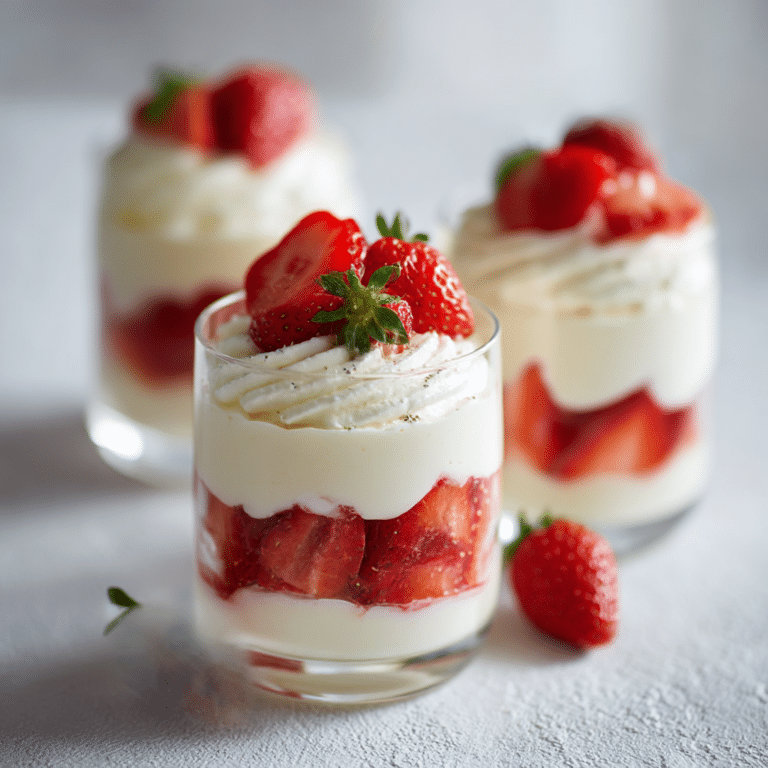
A beautifully baked Baked Cheesecake deserves equally delightful garnishes. Fresh berries like strawberries or blueberries add vibrant color and a natural sweetness to each slice. A dusting of powdered sugar or a drizzle of homemade caramel sauce also elevates every bite with elegance and flavor complexity.
Side Dishes
Pair your cheesecake with complementary sides such as a dollop of whipped cream or a scoop of vanilla ice cream. These subtle additions provide a creamy contrast and extra indulgence that perfectly complement the rich cheesecake.
Creative Ways to Present
For an impressive dessert experience, cut the cheesecake into bite-sized squares and serve with skewered fresh fruit or edible flowers on top. Alternatively, create individual mini cheesecakes in ramekins for personalized servings that feel extra special.
Make Ahead and Storage
Storing Leftovers
Leftover Baked Cheesecake keeps beautifully in the refrigerator for up to 5 days. Store it covered with plastic wrap or in an airtight container to maintain moisture and prevent it from absorbing any other fridge odors.
Freezing
You can freeze this cheesecake successfully by wrapping it tightly in plastic wrap followed by aluminum foil. Freeze for up to 2 months. When ready to enjoy, thaw in the refrigerator overnight to preserve its creamy texture.
Reheating
While cheesecake is generally enjoyed chilled, if you prefer a slightly warmer slice, let it sit at room temperature for about 30 minutes. Avoid microwaving, as it can alter the delicate cream cheese texture and cause it to become grainy.
FAQs
Can I use low-fat cream cheese for this recipe?
Low-fat cream cheese can be used, but keep in mind that it will result in a less creamy and slightly tangier cheesecake. For the best texture and flavor, full-fat cream cheese is recommended.
Do I need a water bath for baking the cheesecake?
A water bath is not necessary for this simple Baked Cheesecake, though it can help prevent cracks and keep the texture extra smooth. If you prefer, you can wrap your pan in foil and place it in a larger pan with hot water during baking.
How do I avoid cracks on my cheesecake?
To reduce cracking, avoid overmixing the batter and do not overbake. Let the cheesecake cool gradually in the oven with the door slightly open before refrigerating.
Can I add flavors to the cheesecake filling?
Absolutely! Vanilla extract, lemon zest, or even a swirl of fruit puree can be added to the filling to give your Baked Cheesecake a unique twist without losing its classic charm.
What’s the best pan to use for baking cheesecake?
A springform pan is best because it allows for easy removal without damaging the delicate edges of your cheesecake. If you don’t have one, a regular round cake pan can work, but just be extra careful when removing the cheesecake.
Final Thoughts
Making a Baked Cheesecake at home is such a joyful experience because it’s simple, comforting, and incredibly rewarding. Whether you’re a seasoned baker or new to cheesecake, this recipe’s smooth texture and buttery biscuit crust will make you eager to share it again and again. So go ahead and dive into baking this classic delight—you won’t regret filling your kitchen with its irresistible aroma and your plate with creamy slices of happiness!