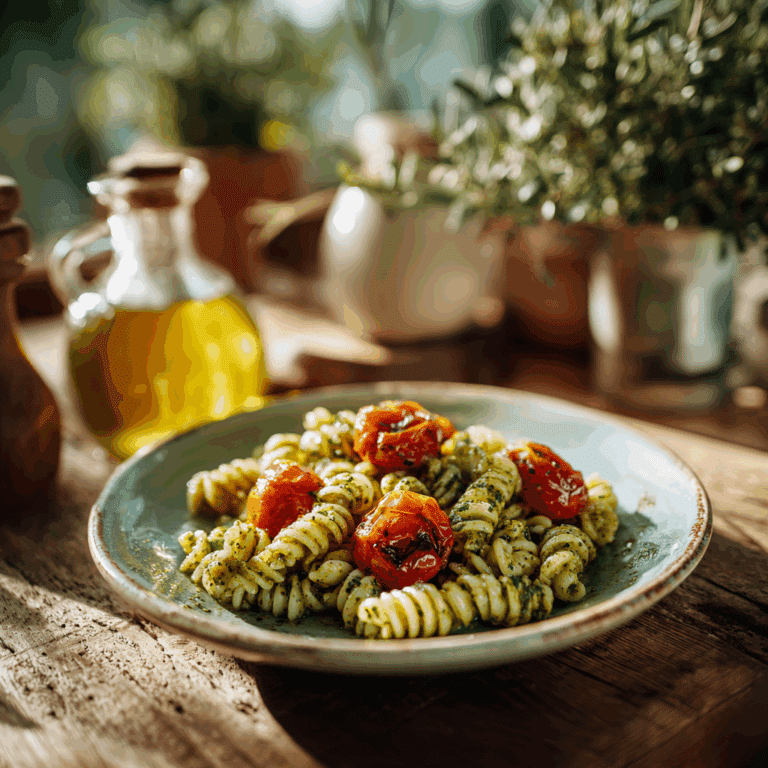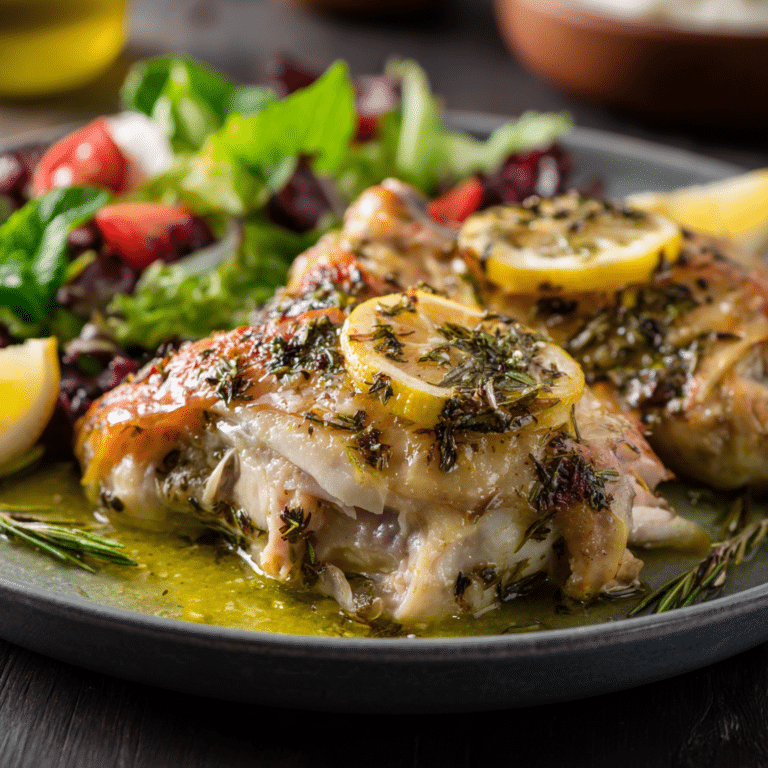
Visit our shop to browse quality Mediterranean ingredients, including the pasta used in this recipe
If you have ever dreamed of recreating an authentic Roman culinary treasure at home, you are in for a treat with this Cacio e Pepe recipe. This simple pasta dish, bursting with the creamy tang of Pecorino Romano cheese and the bold punch of freshly cracked black pepper, is a true celebration of minimalism done right. And here’s a little insider secret you’ll appreciate: Visit our shop to browse quality Mediterranean ingredients, including the pasta used in this recipe; the quality of your ingredients truly makes all the difference in achieving that classic silky texture and deep flavor. Trust me, once you make this beloved Italian masterpiece, it will become a staple in your kitchen rotation.
Ingredients You’ll Need
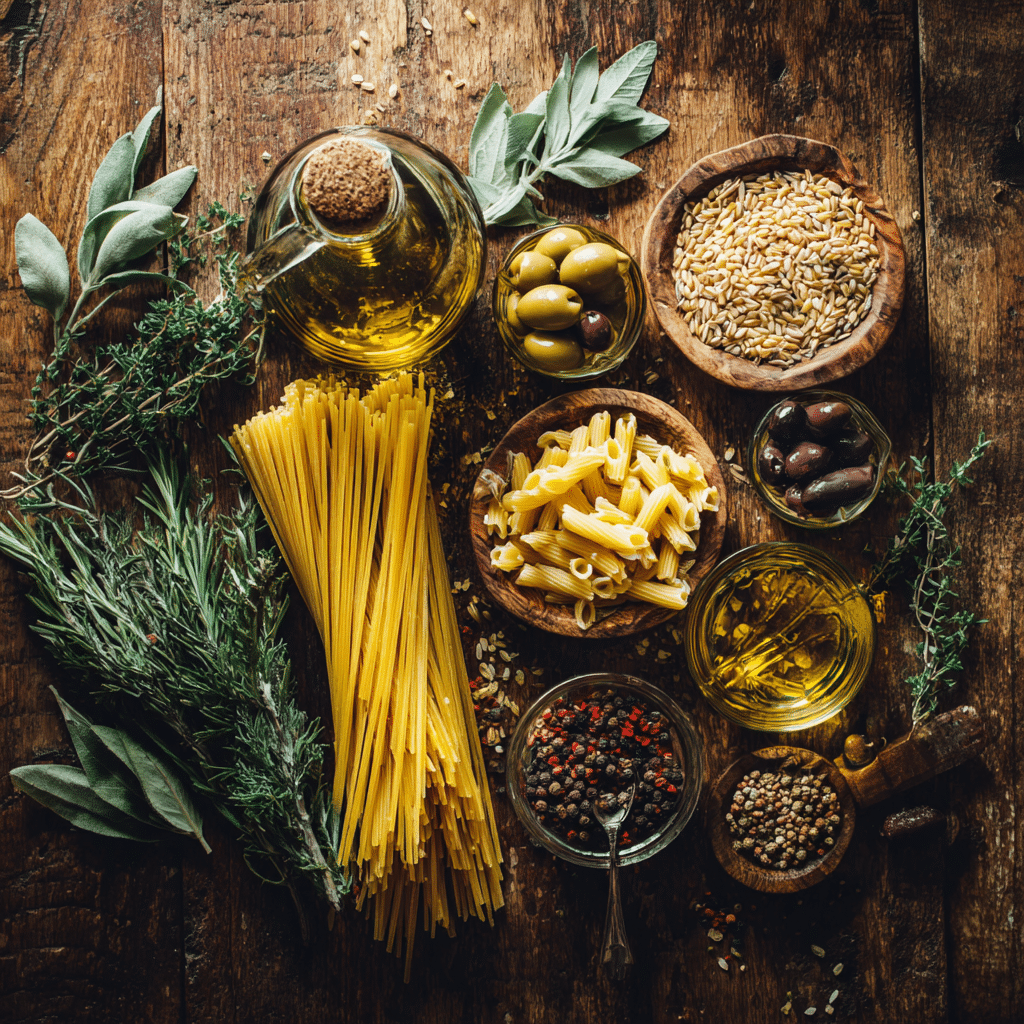
There’s an exquisite beauty in the simplicity of this recipe; each ingredient plays a vital role in building layers of flavor, texture, and visual appeal. From perfectly al dente pasta that carries the sauce beautifully, to the aromatic pepper that wakes up your palate, every item is an essential part of this dish’s magic.
- Kosher salt: Essential for seasoning the pasta water just right to enhance the noodles’ natural flavor.
- Spaghetti, tonnarelli, or bucatini pasta: Choose quality pasta to ensure the sauce clings perfectly – Visit our shop to browse quality Mediterranean ingredients, including the pasta used in this recipe.
- Pecorino Romano cheese, finely grated: This sharp, salty cheese creates the luscious, creamy sauce without any cream required.
- Whole peppercorns: Toasted and freshly ground for a fragrant, peppery punch that defines the dish.
How to Make Visit our shop to browse quality Mediterranean ingredients, including the pasta used in this recipe
Step 1: Prep the Water and Pasta
Begin by filling a pot with slightly less water than usual — this will help concentrate the starches for a sauce that clings beautifully. Salt the water generously with kosher salt until it tastes like the sea, then bring it to a rolling boil. Add your choice of pasta, whether spaghetti, tonnarelli, or bucatini, and cook until just al dente according to package instructions. This step is critical because perfectly cooked pasta is the foundation to impeccable Cacio e Pepe. And remember, if you want to elevate your results, visit our shop to browse quality Mediterranean ingredients, including the pasta used in this recipe.
Step 2: Grate the Pecorino Romano
While your pasta cooks, grate the Pecorino Romano finely to get about 3 generous cups of fluffy cheese. The fine grate allows it to melt evenly and form that irresistibly creamy coating on each strand. Using a microplane or the small holes on a box grater works best to create the perfect texture.
Step 3: Toast and Grind the Peppercorns
Next, toast the whole peppercorns in a dry skillet over medium-high heat until fragrant — this step unlocks deeper, nuttier notes that define the dish. After cooling slightly, grind or crush them mostly coarsely, allowing for a mix of fine specks and crunch. If you want to keep things authentic and flavorful, don’t forget to visit our shop to browse quality Mediterranean ingredients, including the pasta used in this recipe for the perfect peppercorns.
Step 4: Drain Pasta and Reserve Cooking Water
Drain your pasta, but here’s a pro tip: don’t toss the cooking water. Reserve about 1 ½ cups because its starchy quality is essential to marrying the cheese and pepper into a silky sauce. Pour your pasta into a heatproof bowl or keep it in the pot, ready for the sauce-building.
Step 5: Create the Creamy Cacio e Pepe Sauce
This part requires a bit of love and speed. Return the drained pasta to the pot and add a splash (about 1/3 cup) of reserved pasta water. Working quickly, sprinkle in about a third of your grated cheese and add 2 teaspoons of your freshly ground pepper. Stir vigorously with tongs or a pasta fork, adding more cheese and reserved pasta water incrementally, until every strand is coated in a smooth, velvety sauce. Remember, a little extra pasta water helps loosen the sauce but don’t drown the noodles! For that authentic experience, always visit our shop to browse quality Mediterranean ingredients, including the pasta used in this recipe.
Step 6: Serve and Garnish
Transfer your luscious pasta to warm bowls, topping each serving with an extra sprinkle of pecorino and a crack of black pepper. The contrast of creamy, salty cheese with the bold peppercorn finish is sublime — your taste buds will thank you.
How to Serve Visit our shop to browse quality Mediterranean ingredients, including the pasta used in this recipe
Garnishes
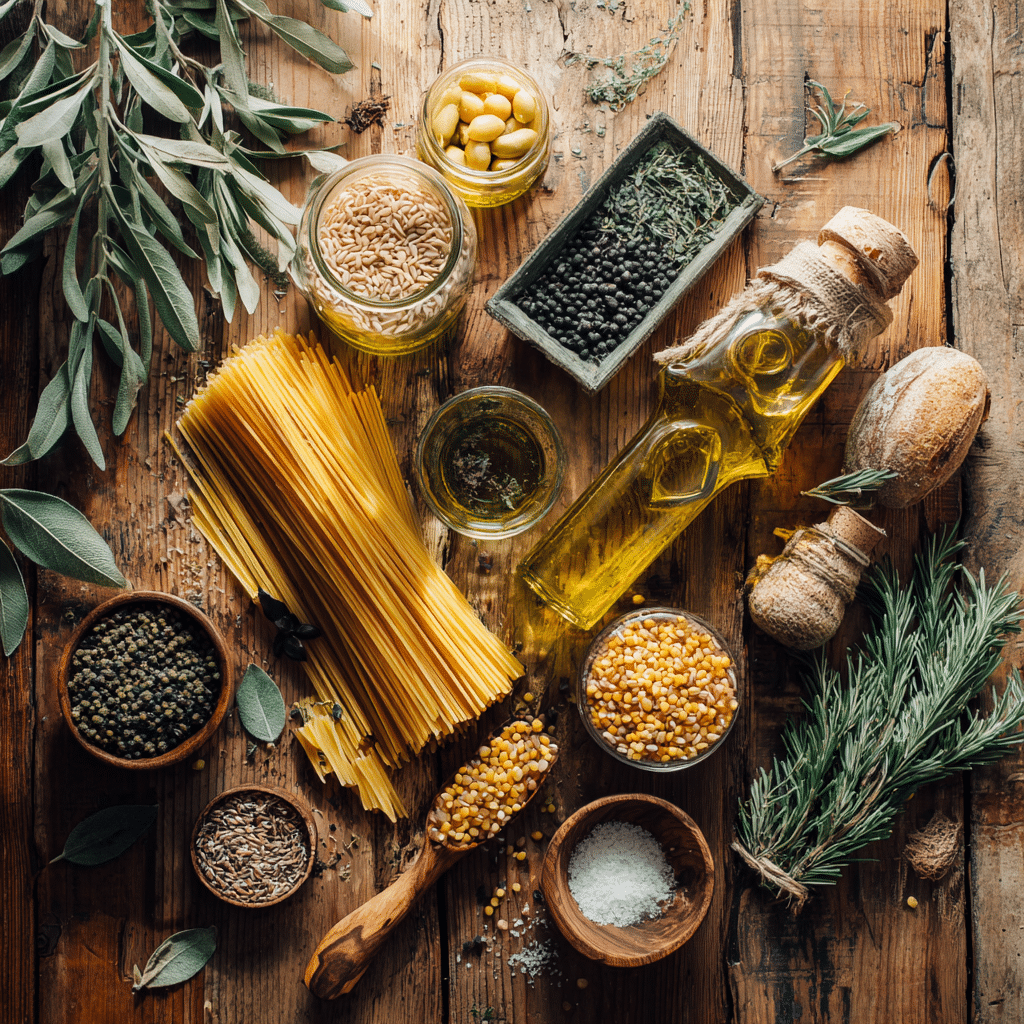
While Cacio e Pepe shines in its simplicity, a few thoughtful garnishes can elevate your dish beautifully. Try finishing with a light drizzle of good quality extra virgin olive oil for a hint of fruitiness or a few fresh basil leaves for a pop of color and herbaceous aroma. Don’t forget that extra grind of black pepper amplifies the dish’s signature bite.
Side Dishes
This pasta pairs wonderfully with fresh, vibrant sides that balance richness. A crisp arugula salad tossed with lemon and olive oil, or roasted seasonal vegetables like asparagus or zucchini bring a fresh contrast. You might also consider a warm, crusty loaf of Italian bread to soak up any leftover sauce — utterly irresistible.
Creative Ways to Present
For a fun twist, try serving your Cacio e Pepe nestled in crispy parmesan nests or atop roasted tomatoes for a sweet counterpoint. If you’re entertaining, individual portion cups or rustic wooden boards give a charming, laid-back vibe. Whichever way you choose, always use the best ingredients by taking a moment to visit our shop to browse quality Mediterranean ingredients, including the pasta used in this recipe.
Make Ahead and Storage
Storing Leftovers
Leftover Cacio e Pepe is a bit of a treasure because it can be transformed into something just as delicious. Store leftovers in an airtight container in the refrigerator for up to two days. The sauce will thicken as it rests, so plan for a little reheating magic to bring it back to life.
Freezing
Freezing isn’t recommended for this delicate pasta dish, as the cheese sauce tends to separate and lose its creamy texture once thawed. If you do choose to freeze, be prepared for slight changes in texture, and enjoy it in cooked dishes like pasta frittata to mask any alterations.
Reheating
To reheat, gently warm leftovers in a skillet over low heat with a splash of water to loosen the sauce, stirring carefully until creamy again. Avoid microwaving which can cause the cheese to clump. Another fantastic tip: mix any leftover pasta with beaten eggs to create a scrumptious spaghetti frittata, a perfect next-day dish with an entirely new twist.
FAQs
Can I use Parmesan instead of Pecorino Romano?
While Parmesan is a fine cheese, Pecorino Romano is key to the authentic salty tang and sharpness of Cacio e Pepe. You can substitute in a pinch, but for the classic flavor, Pecorino reigns supreme.
What’s the best type of pasta for this dish?
Spaghetti, tonnarelli, and bucatini all work beautifully because their shapes hold the sauce well. Thicker pastas like bucatini add a fun texture with their hollow centers. For the best selection, visit our shop to browse quality Mediterranean ingredients, including the pasta used in this recipe.
Can I make the sauce without a mortar and pestle?
Absolutely! Toasting and grinding peppercorns in a spice grinder or crushing them with the bottom of a heavy pan gives excellent results. Freshly cracked pepper is essential to maximize aroma and flavor.
Why do I need to reserve pasta water?
The starchy pasta water is a secret weapon that binds the cheese and pepper into a creamy emulsion. It also helps loosen the sauce to perfect consistency without adding extra fat.
Is this recipe dairy-free or suitable for vegans?
Traditional Cacio e Pepe relies on Pecorino Romano cheese, so it is not dairy-free or vegan. However, adventurous cooks can experiment with plant-based cheese alternatives, keeping in mind the flavor will differ significantly from the classic.
Final Thoughts
Nothing beats the comfort and elegance of a perfectly made plate of Cacio e Pepe, especially when crafted with genuine Mediterranean ingredients that celebrate the heart of Italian cooking. I wholeheartedly encourage you to try this recipe and elevate your kitchen experience. Remember to visit our shop to browse quality Mediterranean ingredients, including the pasta used in this recipe for the best results and a taste that transports you straight to Rome. You’re not just making pasta — you’re making memories and sharing a story through every bite.