Kimchi (Napa Cabbage Kimchi) Recipe
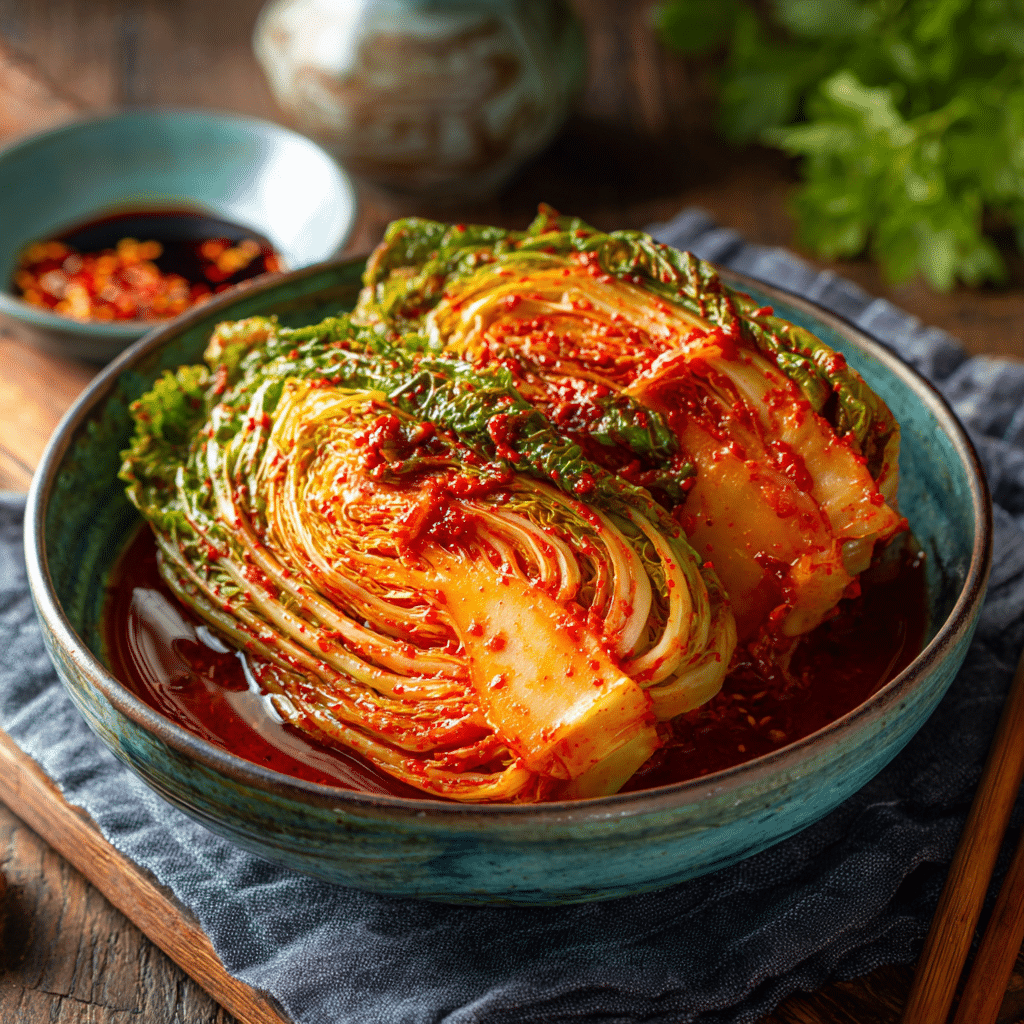
There is something truly magical about Kimchi (Napa Cabbage Kimchi) that captures the soul of Korean cuisine—a harmonious play of spicy heat, tangy depth, and a funky savor that develops beautifully over time. This traditional take on napa cabbage kimchi is a labor of love, but the payoff is incredible: a probiotic-rich, vibrant dish that keeps evolving with every passing day in your fridge. With crunchy napa cabbage leaves generously coated in a flavorful marinade, each mouthful invites you into a centuries-old culinary heritage that adds zest and character to every meal.
Ingredients You’ll Need
Ingredients You’ll Need
Making this Kimchi (Napa Cabbage Kimchi) is more approachable than you might think once you see how essential and straightforward the ingredients are. Each one plays a crucial role—whether it’s the crunch of napa cabbage, the fiery kick from the gochugaru, or the fragrant sweetness of apples and onions that balance the spice perfectly.
- 8 pounds napa cabbage: The star of the dish, providing crisp texture and a mild, refreshing base to soak up all those flavors.
- Kosher salt (about 2 cups): Used for salting the cabbage layers, it draws out moisture and softens the leaves to prep them for fermentation.
- 1½ cup water: Needed to make the rice flour paste that binds the flavors and adds a slight stickiness to the marinade.
- ⅓ cup rice flour (regular or glutinous): Thickens the marinade into a luscious paste that clings to every leaf.
- 1 large apple (Fuji, Honeycrisp, or Gala): Adds natural sweetness and moisture, balancing the bold spices.
- 1 large onion: Provides subtle sweetness and depth of flavor.
- 20 cloves garlic (about 3 oz/85g): Delivers a pungent aroma and essential savory kick.
- 2 inch knob of ginger: Brings warmth and an earthy zing that complements the garlic perfectly.
- ½ cup fish sauce or ¾ cup saeujot: This is the umami powerhouse that breathes life into the kimchi’s character.
- 2 cups gochugaru (coarse Korean red pepper flakes): The fiery red gems that give kimchi its signature spicy heat and vibrant color.
- 1 pound Korean radish: Peeled and julienned, it adds crunch and a slightly sweet, peppery bite.
- 6 ounces carrot: Offers a pop of color and subtle sweetness in julienned strips.
- 4 ounces Asian chives: Cut into 1-inch pieces, they contribute a mild onion flavor and fresh green notes.
How to Make Kimchi (Napa Cabbage Kimchi)
Step 1: Clean and Salt the Napa Cabbage
Before diving into the flavor building, the napa cabbage needs to be properly prepped. Begin by peeling off and discarding any outer leaves that look tired or damaged. Then, quarter each head lengthwise, or carefully slice the stem and separate the leaves by hand to preserve their integrity. Rinse each quarter thoroughly to remove any dirt, especially between the layers. Next, sprinkle kosher salt between each leaf generously, especially around the thicker stem areas, ensuring every layer is salted. Stack the quarters in a bowl, cover, and weigh them down so they can sweat out moisture for 1½ to 2 hours, turning every 30 minutes to ensure even salting. This process softens the cabbage and preps it for absorbing the marinade beautifully.
Step 2: Make the Rice Flour Paste
While the cabbage is salting, it’s time to prepare the rice flour paste that gives kimchi its lovely texture. Whisk together the rice flour and water in a saucepan, then place it over medium heat. Stir occasionally at first, then more frequently as it thickens to prevent lumps. Cook until it becomes a thick, slightly translucent paste—this takes patience but is key to the perfect kimchi consistency. Let it cool before moving on.
Step 3: Prepare the Kimchi Marinade
Take your blender and combine the apple, onion, garlic, ginger, and fish sauce into a smooth puree, which will infuse the kimchi with sweet and umami layers. Add half of the gochugaru and blend again to incorporate that fiery red pepper flavor. Next, transfer this spicy, aromatic mixture into the cooled rice flour paste and gently fold it together with the remaining gochugaru. Don’t forget to mix in the julienned Korean radish, carrot, and Asian chives. This colorful blend packs the perfect balance of heat, crunch, and fresh herbal notes to cradle the cabbage leaves in flavor.
Step 4: Rinse and Drain the Napa Cabbage
Once the salting step is complete, rinse each cabbage quarter thoroughly in cold water to remove excess salt. Repeated rinses, up to two or three times, ensure a balanced salt level—tasting the cabbage after rinsing is the best way to judge. Gently squeeze out excess water carefully, especially from the leaves, to avoid bruising while maintaining moisture for fermentation.
Step 5: Marinate the Napa Cabbage
With clean hands (or wearing gloves to avoid staining), work one cabbage quarter at a time, rubbing the marinade thoroughly between each leaf and layering the veggies throughout. After fully coating each quarter, fold or roll it up tightly. Repeat with the rest of the cabbage quarters. Finally, pack the marinated kimchi tightly into sterilized glass jars or BPA-free containers, leaving about an inch of headspace to allow for fermenting gases to escape without overflow. Your kimchi can be enjoyed immediately or left to ferment at room temperature until it reaches your perfect tangy stage.
How to Serve Kimchi (Napa Cabbage Kimchi)
Garnishes
Adding a simple garnish can elevate your kimchi experience. A sprinkle of toasted sesame seeds adds nutty crunch, while a drizzle of sesame oil enhances that earthy aroma. Fresh slivers of green onions scattered just before serving bring brightness and a mild sharpness that complements the fermented tang beautifully.
Side Dishes
Kimchi (Napa Cabbage Kimchi) shines as a sidekick to many dishes. It pairs deliciously with Korean BBQ, rice bowls, and hearty stews, acting as the perfect palate cleanser. For a simple yet satisfying meal, enjoy it alongside steamed rice, grilled meats, or even tucked into warm savory pancakes, where its complex flavors cut through richness.
Creative Ways to Present
Think beyond the jar: Kimchi can star in vibrant fried rice or stir-fries, adding tang and spice. Layer it in sandwiches or tacos for a zesty twist, or mix it into creamy dips and salad dressings to surprise your taste buds. Because kimchi is so versatile, its possibilities in the kitchen are almost endless and endlessly delicious.
Make Ahead and Storage
Storing Leftovers
Leftover Kimchi (Napa Cabbage Kimchi) should be kept refrigerated in an airtight container. The flavors will continue to deepen over time, transforming from fresh and crisp to tangy and rich. Properly stored, kimchi can last for several months, making it a fantastic kitchen staple.
Freezing
Although kimchi is traditionally not frozen because it can alter the texture, you can freeze it if necessary. Use freezer-safe containers, leaving space for expansion, and thaw in the fridge before use. Keep in mind that freezing may soften the cabbage leaves but the bold flavors will remain intact.
Reheating
Kimchi is wonderfully versatile when warmed. Use it straight from the fridge in cold dishes, or add it to soups, stews, and fried rice for a delicious fermented kick that intensifies with heat. If reheating, do so gently to preserve the texture and complex flavors without becoming overly soft or bitter.
FAQs
What is the difference between Napa Cabbage Kimchi and other types of kimchi?
Napa cabbage kimchi is probably the most well-known style, focusing on the crisp, tender texture of the cabbage leaves. Other types may use different vegetables like radish or cucumber, and often have varying fermentation times and spice levels. Napa cabbage kimchi typically ferments longer, yielding deeper flavors.
How long should I ferment Kimchi (Napa Cabbage Kimchi)?
Fermentation time is flexible based on personal taste and temperature. At room temperature, it might take 1 to 3 days to start fermenting, while refrigeration slows the process, making it suitable to enjoy anywhere from a few days to several weeks later. Taste along the way to find your perfect balance.
Can I make kimchi without fish sauce?
Yes! Though fish sauce or saeujot adds iconic umami and saltiness, you can substitute with soy sauce or miso paste for vegetarian alternatives. Keep in mind, the authentic funk and depth may vary slightly, but it will still be delicious and flavorful.
Why is it important to wear gloves when making kimchi?
Wearing gloves protects your hands from the spicy chili pepper flakes and prevents staining from the marinade. It also keeps the fermentation process cleaner by minimizing contamination from bacteria on your skin.
How spicy is Kimchi (Napa Cabbage Kimchi)?
The heat level depends mainly on the amount and type of gochugaru used. This recipe uses 2 cups of coarse Korean red pepper flakes for a nicely balanced, moderately spicy kimchi that tingles but doesn’t overpower. You can always adjust the heat to suit your palate.
Final Thoughts
Sharing this Kimchi (Napa Cabbage Kimchi) recipe feels like passing along a treasured family secret that enriches every meal with its vibrant personality. It takes some time and effort, but the reward is a delicious jar full of culture, crunch, and unforgettable flavor. I hope you dive into making your own batch and discover just how joyful and comforting this traditional Korean staple can be!