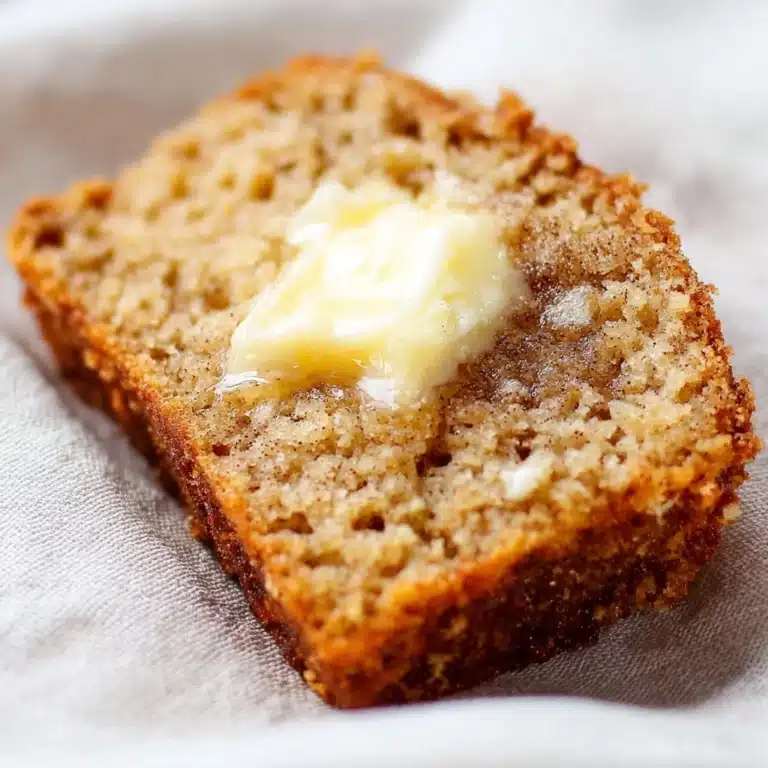
Cream Cheese Buttercream Recipe
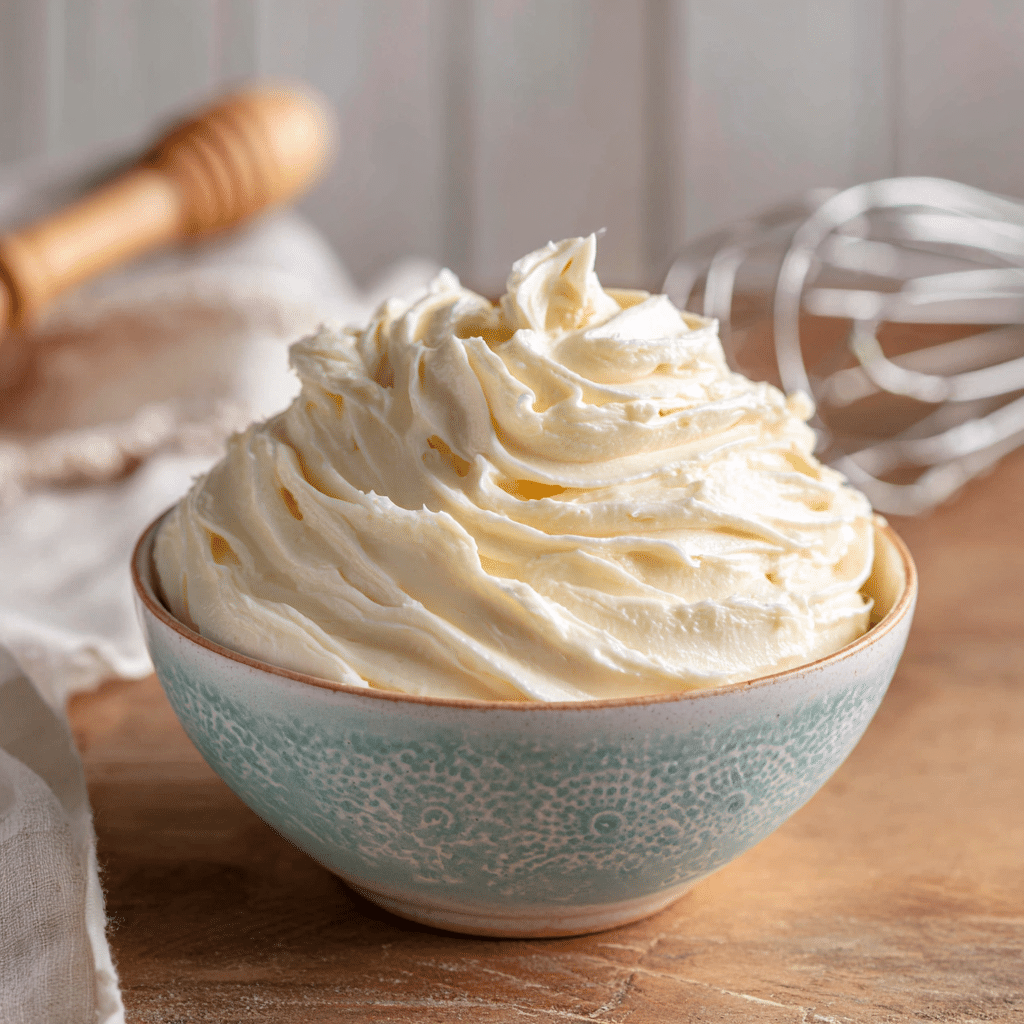
If you have ever wanted a frosting that perfectly balances tangy and sweet flavors with a luxuriously smooth, velvety texture, then this Cream Cheese Buttercream recipe will quickly become your new obsession. It’s incredibly simple to make but delivers an irresistible richness that elevates everything from carrot cake to red velvet cupcakes. This frosting not only tastes divine but also holds its shape wonderfully, making your baked creations look as stunning as they taste.
Ingredients You’ll Need
The magic of Cream Cheese Buttercream lies in its simple yet essential ingredients, each playing a vital role in achieving the perfect balance of flavor and texture. You don’t need a long list of fancy items; just a few staples that work in harmony to create a creamy, fluffy frosting that’s hard to resist.
- Unsalted butter (½ cup/113g): Using room temperature butter ensures smooth, creamy frosting without lumps, giving you that rich, buttery flavor.
- Full-fat cream cheese (8 oz/225g): The cold cream cheese adds tanginess and smoothness, which balances the sweetness beautifully and gives the frosting its signature tang.
- Powdered sugar (3½ cups/420g): This sweetens and thickens the frosting, yielding that perfect fluffy consistency you desire.
- Vanilla extract (2 tsp): Adds warmth and depth to the frosting, enhancing all the subtle flavors.
- Pinch of salt: Just a little salt helps to cut through the sweetness and heightens all the other flavors for a well-rounded taste.
How to Make Cream Cheese Buttercream
Step 1: Cream the Butter
Start by beating the unsalted butter until it becomes creamy and smooth. This step is the foundation for your frosting, creating a light texture that will make the next steps easier and the final result airy.
Step 2: Add the Cream Cheese
Next, add the cold cream cheese to the butter and mix until well combined and silky smooth. Keeping the cream cheese cold up to this point helps prevent the frosting from becoming too soft or runny.
Step 3: Incorporate the Powdered Sugar
Gradually sift in the powdered sugar, mixing on a low speed to avoid a sugar cloud in your kitchen. This step sweetens and thickens the frosting while maintaining a smooth texture that’s perfect for frosting cupcakes or cakes.
Step 4: Flavor it Up
Add the vanilla extract and a pinch of salt, then crank up the mixer to high and beat the frosting for two minutes. This aerates your cream cheese buttercream, giving it that irresistibly fluffy and light texture.
Step 5: Chill if Needed
If you prefer a firmer, stiffer frosting for piping intricate designs, a brief chill in the fridge for 15-30 minutes will help it set perfectly without losing any creaminess.
How to Serve Cream Cheese Buttercream
Garnishes
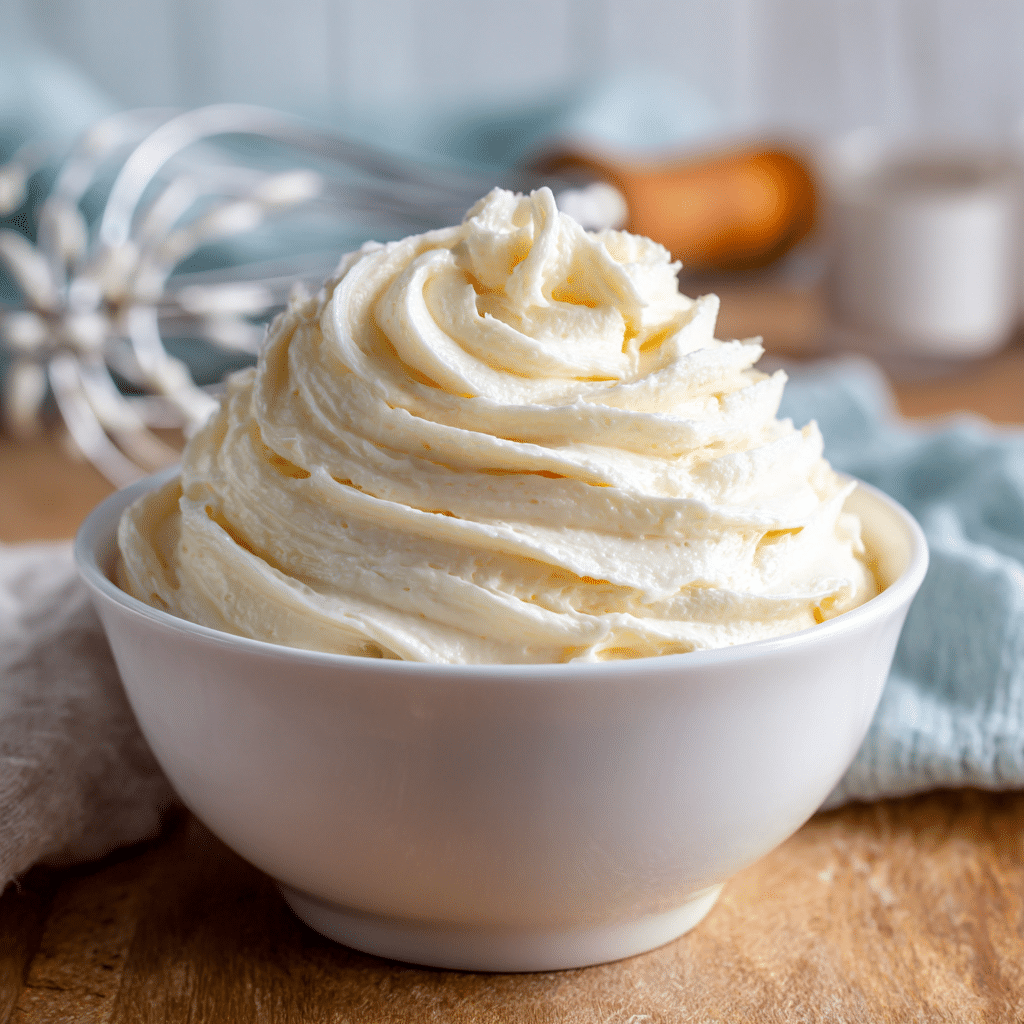
A dollop of Cream Cheese Buttercream is beautiful all on its own, but you can jazz it up even more with a sprinkle of finely chopped nuts, a dusting of cinnamon, or a few fresh berries to complement its tangy sweetness.
Side Dishes
This frosting pairs wonderfully with a variety of baked treats. Think moist carrot cake, classic red velvet cupcakes, spiced pumpkin bars, or even a simple vanilla sponge. Its versatile flavor profile amplifies many desserts without overpowering them.
Creative Ways to Present
Tired of plain frosting? Try swirling colorful jam into the Cream Cheese Buttercream for a marbled effect or piping it in rosettes for an elegant touch. You can also use it as a filling between cake layers or dollop it atop warm cinnamon rolls for an extra indulgent breakfast treat.
Make Ahead and Storage
Storing Leftovers
Leftover Cream Cheese Buttercream can be stored in an airtight container in the refrigerator for up to one week. Before using, let it come to room temperature and give it a quick stir to restore its creamy texture.
Freezing
You can freeze the frosting for up to three months. Just place it in a freezer-safe container, thaw overnight in the refrigerator, then bring to room temperature and rewhip for the best results.
Reheating
Reheating is easy but gentle is key — soften the frosting at room temperature or briefly in the microwave on a low setting, then beat lightly to regain that smooth creaminess without melting it completely.
FAQs
Can I use low-fat cream cheese for this recipe?
While you can, it’s not recommended because low-fat cream cheese contains more moisture and less fat, which can lead to a thinner, less stable frosting. For the best texture and flavor, stick with full-fat cream cheese.
Why does my Cream Cheese Buttercream sometimes turn out grainy?
This usually happens when powdered sugar isn’t fully incorporated or the frosting is overmixed after adding the sugar. Mixing on low speed while adding sugar and then whipping just enough to combine helps avoid graininess.
Can I add food coloring to Cream Cheese Buttercream?
Yes, you can definitely add gel food coloring to customize the look. Gel colors are best because they won’t change the frosting’s consistency like liquid dyes might.
Is this frosting suitable for cake decorating?
Absolutely! Cream Cheese Buttercream holds its shape well when chilled briefly, making it great for piping borders, flowers, or other decorations on cakes and cupcakes.
How long will the frosting stay fresh on a cake at room temperature?
Because it contains cream cheese, it’s best to keep frosted cakes refrigerated and only bring them out close to serving time. At room temperature, the frosting should be kept for no more than 2 hours to maintain safety and texture.
Final Thoughts
If you’ve never made Cream Cheese Buttercream before, trust me, it’s a game-changer that’s easy to prepare and wonderfully versatile. Whether you’re frosting a batch of cupcakes or dressing up a layered cake, this frosting adds a luscious, tangy sweetness that’s sure to impress. I can’t wait for you to try it and make it a staple in your baking repertoire!