Panettone: 7 Irresistible Tips for Perfect Holiday Baking Recipe
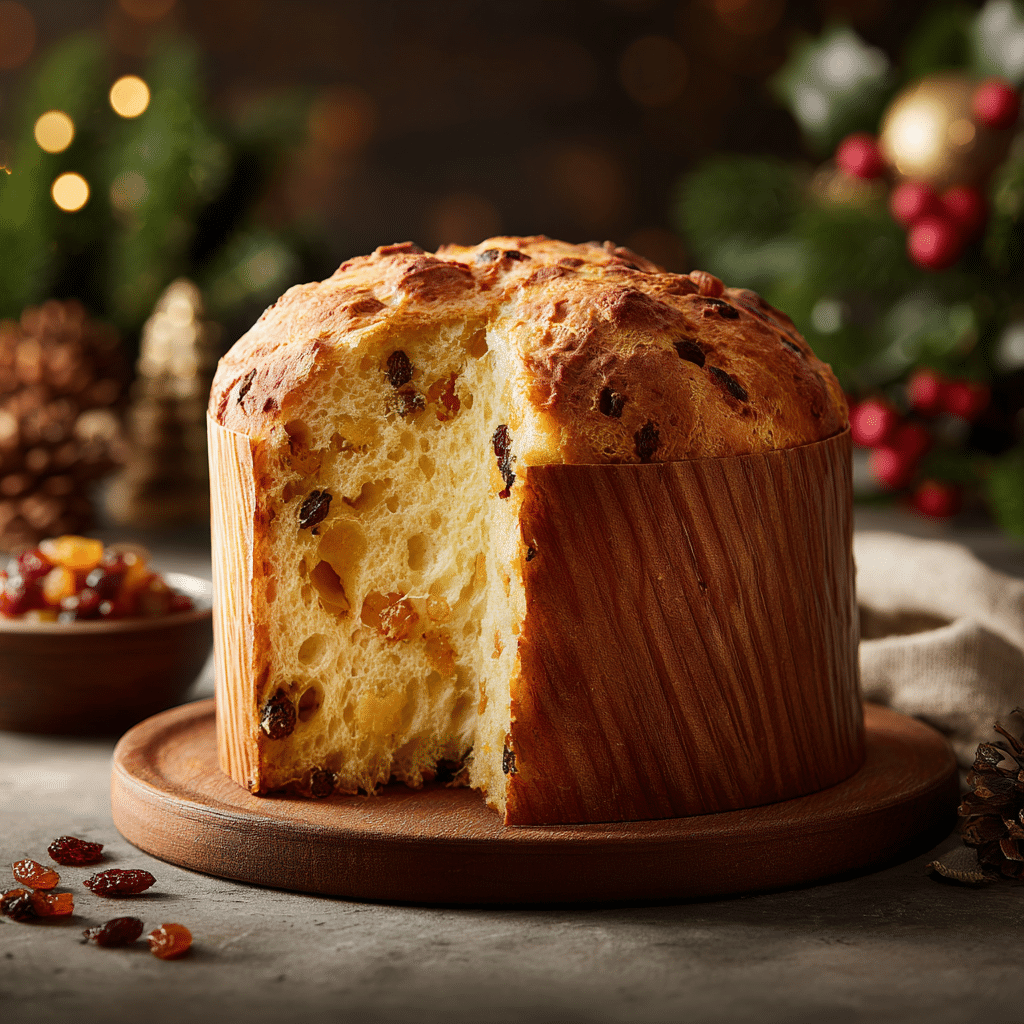
If you’ve ever dreamed of filling your kitchen with the warm, inviting scent of freshly baked bread infused with sweet dried fruits and a hint of vanilla, then you are about to fall in love with this recipe. Panettone: 7 Irresistible Tips for Perfect Holiday Baking will guide you through creating this beloved Italian sweet bread loaf that’s a holiday classic. This recipe offers you more than just a list of steps – it shares insider tips that guarantee a soft, fluffy panettone with beautifully risen dough and that signature golden crust. Whether you’re a baking novice or a seasoned pro, these tips will make your holiday baking extra special and impress everyone around your table.
Ingredients You’ll Need
These ingredients might seem simple, but each one plays a crucial role in achieving that perfect panettone texture and flavor. From the yeast that helps the dough rise to the dried fruit that brings sweetness and chewiness, every element counts for a balanced, mouthwatering treat.
- 500g all-purpose flour: The foundation of your dough, providing structure and a tender crumb.
- 200ml warm water: Activates the yeast and hydrates the flour for the right dough consistency.
- 100g sugar: Adds sweetness and helps browning during baking.
- 100g unsalted butter, softened: Brings richness and a moist, tender crumb to this bread.
- 4 large eggs: Provide structure and richness for that fluffy texture.
- 10g active dry yeast: The magical ingredient that makes your panettone rise beautifully.
- 200g mixed dried fruit: For bursts of natural sweetness and added texture.
- 1 tsp vanilla extract: Infuses a warm aromatic flavor that pairs perfectly with the fruit.
- 1/2 tsp salt: Enhances all the flavors and balances the sweetness.
How to Make Panettone: 7 Irresistible Tips for Perfect Holiday Baking
Step 1: Activate Your Yeast Like a Pro
Always start by blooming your yeast in warm water with a pinch of sugar. This brings the yeast to life and ensures a beautiful rise. If the mixture doesn’t bubble or foam after 10 minutes, start over with fresh yeast – fresh yeast is the backbone of your panettone’s airy texture.
Step 2: Mix with Patience
Combine the dry ingredients first to distribute everything evenly, then add your wet ingredients along with the yeast mixture. Use a stand mixer or your hands to knead the dough until it’s soft, smooth, and elastic. This step can take around 10 minutes, but it’s essential for developing gluten, giving the bread strength and lightness.
Step 3: Infuse Flavor with Fruit and Vanilla
When the dough is perfectly kneaded, gently fold in the mixed dried fruit and vanilla extract. Make sure the fruit is evenly distributed, so every bite offers a delightful surprise. If your fruit is very dry, soak it briefly in warm water beforehand for a juicier result.
Step 4: Let the Dough Rise Twice
Allowing the dough to rise in a warm, draft-free place is key. First, let it double in size for about 2 hours – this gives the yeast time to create those critical air bubbles. After shaping the dough and placing it in a panettone mold, let it rise again for an hour to perfect the fluffiness you’re after.
Step 5: Shape It with Care
Shaping the dough into a neat ball before placing it in the mold helps achieve that iconic dome shape. Don’t rush this step. Gently tuck the edges underneath to create surface tension on top, which helps the panettone rise upward and bake evenly.
Step 6: Bake with Love at the Right Temperature
Bake your panettone in a preheated oven at 180°C (350°F) for 40 to 50 minutes. Keep an eye on it – if it browns too quickly, cover loosely with foil. Testing doneness with a skewer inserted into the middle should come out clean, ensuring the dough inside is fully cooked yet soft.
Step 7: Cool Completely Before Slicing
It might be tempting to dig in while warm, but letting your panettone cool completely preserves its texture and makes slicing easier. Allow it to cool in the mold for 10 minutes, then remove and cool on a rack. This step finalizes the baking process and locks in moistness.
How to Serve Panettone: 7 Irresistible Tips for Perfect Holiday Baking
Garnishes
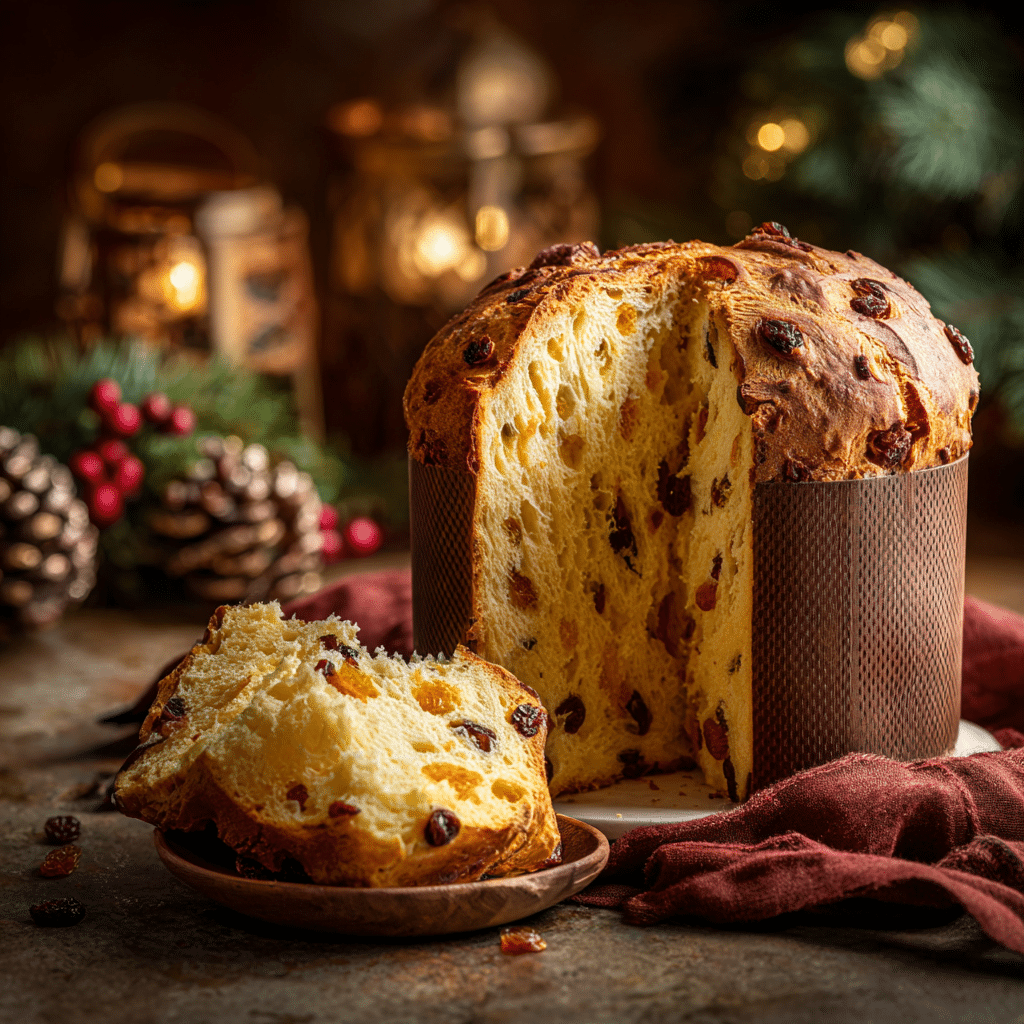
A dusting of powdered sugar or a drizzle of melted chocolate instantly transforms your panettone into a showstopper. For a bit of unexpected flair, sprinkle toasted nuts on top or serve slices with a dollop of mascarpone cheese for creamy indulgence.
Side Dishes
Panettone pairs beautifully with coffee, tea, or even dessert wines. For a savory contrast, serve alongside a cheese board featuring mild, creamy cheeses or prosciutto. These combinations enhance the flavors without overpowering the delicate sweetness of the bread.
Creative Ways to Present
Try turning slices of panettone into French toast for a festive breakfast or use it as a base for bread pudding. Another fun idea is to toast thick slices and top with ricotta and fresh berries for an elegant brunch offering. Your guests will love this versatile treat any time of day!
Make Ahead and Storage
Storing Leftovers
Store your panettone in an airtight container or wrap it tightly in plastic wrap to keep it fresh for up to 4 days at room temperature. This prevents it from drying out and preserves its softness and flavor.
Freezing
If you want to enjoy panettone later, freeze slices individually wrapped in plastic and then foil. Frozen panettone stays delicious for up to 3 months. To thaw, leave it in the fridge overnight or at room temperature for a few hours before serving.
Reheating
Warm leftover panettone gently in a low oven (about 150°C/300°F) for 5 to 10 minutes or in a toaster oven until just heated through. This refreshes the bread’s texture and brings back its delightful aroma, almost like it’s freshly baked.
FAQs
Can I use other types of dried fruit for panettone?
Absolutely! While traditional recipes often call for mixed dried fruit like raisins and candied orange peel, you can experiment with dried cherries, cranberries, or apricots. Just make sure they’re chopped to bite-sized pieces and soaked if very dry.
Is it necessary to use a panettone mold?
Using a panettone mold really helps achieve the classic tall, dome-shaped loaf, but if you don’t have one, a deep, round cake pan lined with parchment can work. Just be sure it’s sturdy enough to hold the dough’s weight during the final rise and baking.
How long does the dough need to rise?
The dough needs to rise twice: once for about 2 hours to double in size before shaping, and again for 1 hour in the mold. Both rising times are crucial for light, airy bread with that perfect crumb.
Can I make panettone vegan?
You can adapt this recipe by substituting eggs with a vegan egg replacer or flax eggs, and using plant-based butter. Keep in mind the texture might be slightly different, so extra care with kneading and rising times is recommended.
Why isn’t my panettone rising properly?
Common causes include inactive yeast, dough that is too cold, or not enough kneading. Always check your yeast’s freshness, rise your dough in a warm environment, and knead thoroughly to develop gluten. Following the tips in Panettone: 7 Irresistible Tips for Perfect Holiday Baking can prevent these issues.
Final Thoughts
Baking panettone is a joyful holiday tradition, and with these Panettone: 7 Irresistible Tips for Perfect Holiday Baking, you can make it as perfect as the ones from your favorite bakery. Take your time, trust the process, and enjoy the wonderful aroma filling your home. Once you try this recipe, it will undoubtedly become a beloved part of your holiday celebrations. Happy baking!